Home › Drywall Replacement and Resurfacing
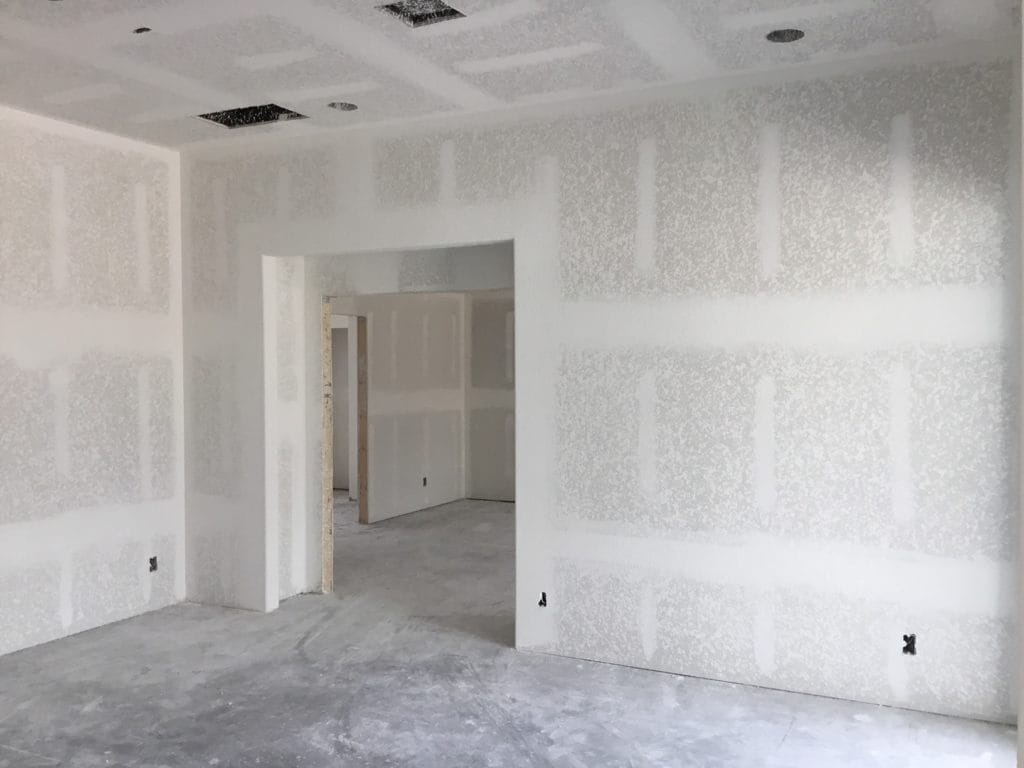
We handle complete drywall replacement and resurfacing in Savannah Sheetrock, GA when walls are too damaged or outdated to patch. Our team removes failing drywall or old plaster, installs new sheets, and skim coats as needed for a fresh, smooth surface. Update your home with clean, modern walls ready for paint or wallpaper.
Savannah Sheetrock provides professional drywall replacement throughout Savannah Sheetrock, GA, Georgia and the surrounding area. Our licensed, insured crew delivers safe, clean, on-time work with a free estimate before anything begins. Call (912) 600-3740 or request your free quote.
Drywall Replacement in Savannah Sheetrock, GA: What You Really Need to Know
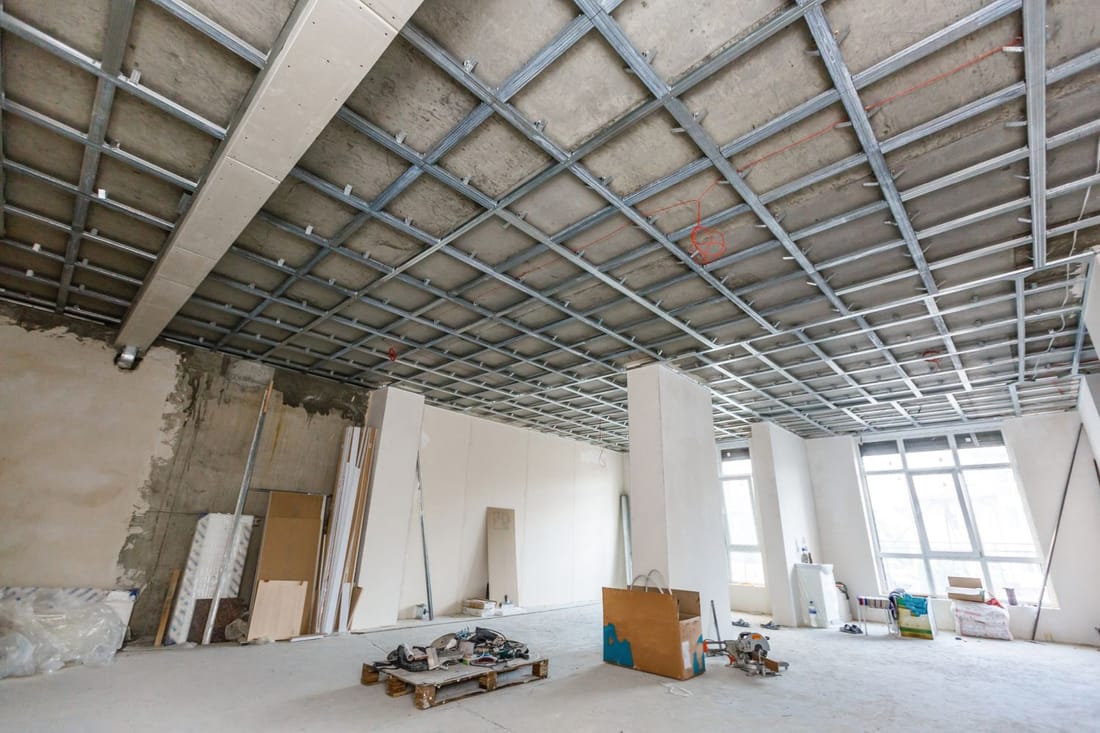
Drywall replacement is not just about covering a hole in the wall. In Savannah Sheetrock, GA, homes and small businesses deal with unique issues like humidity, settling foundations, and past storm damage that all affect the condition of your drywall. Savannah Sheetrock focuses on full, long‑term fixes, not quick patches that fail a year later.
Most customers call us for drywall replacement after water damage, large cracks, soft or sagging spots in the ceiling, or when old repairs are so lumpy that painting no longer helps. During your visit, we first find out why the drywall failed. We look for roof leaks, plumbing issues, prior termite activity, or structural movement so you do not put new sheetrock over an unsolved problem.
Once we know the cause, we explain whether you really need full panel replacement or if resurfacing and skim coating will give you the same result for less cost. This honest evaluation is why many Savannah Sheetrock customers come back to us for future projects. You get a clear plan, a realistic time frame, and local advice tailored to coastal Georgia homes.
Our Step‑by‑Step Drywall Replacement Process
Good drywall replacement follows a careful process so that seams stay flat, screws do not pop, and new joints do not show through paint. Savannah Sheetrock uses a specific step‑by‑step method that works well with the common framing and construction styles around Savannah Sheetrock, GA.
First, we isolate the work area with plastic sheeting and floor protection to control dust. We shut off power to affected circuits when cutting near electrical lines, then remove damaged drywall back to the nearest stud or ceiling joist. If mold or rot is present, we cut back until we reach clean, solid material and, when needed, bring in a licensed partner to handle any serious mold remediation.
Second, we inspect the framing. In many older Savannah Sheetrock, GA homes, studs may twist or bow slightly. We correct that with shims or minor framing repairs so the new drywall sits flat. Then we measure and cut new panels, usually in 1/2 inch for walls and 5/8 inch fire‑rated board for common ceilings, garages, or walls near attached garages.
Third, we install the new sheetrock using the correct screw pattern so panels stay tight over time. We tape the seams with either paper or fiberglass mesh tape, depending on location and expected movement. We then apply multiple coats of joint compound, sanding between coats to match the existing texture and make seams disappear once painted.
Resurfacing and Skim Coating: When You Do Not Need Full Replacement
Resurfacing and skim coating are excellent options when your drywall is structurally sound but looks worn. In Savannah Sheetrock, GA, we often recommend resurfacing for walls with heavy previous texture, multiple layers of paint drips, or many old nail pops and small repairs.
Resurfacing starts with a full wall or ceiling inspection. We tighten loose screws, reset popped fasteners, and cut out any small, crumbling spots. Next, we scuff‑sand glossy paint so new compound bonds correctly. For stubborn stains from old leaks, we apply stain‑blocking primer first so they do not bleed through.
Skim coating involves spreading a thin, even layer of joint compound over the entire surface, not just at seams. Savannah Sheetrock uses wide trowels and box tools to keep this layer uniform, then sands lightly to achieve the finish level you choose. Some customers want a very smooth, Level 5 finish that is ideal for accent lighting and darker paint colors. Others prefer a subtle orange peel or light knockdown texture that hides minor wall imperfections and fits the look of many Georgia homes.
Because of our humid climate, we always consider cure time and ventilation during resurfacing. We use fans and, when needed, dehumidifiers so the compound dries at the right rate and does not develop fine cracks.
Material Choices That Hold Up in Coastal Georgia
The right drywall materials can make a big difference in how long your walls stay clean and crack‑free, especially near the coast. Savannah Sheetrock helps you select products that fit both your budget and local conditions in Savannah Sheetrock, GA.
For standard interior walls, we typically use regular gypsum board in 1/2 inch thickness. In bathrooms, laundry rooms, and near water heaters, we often recommend moisture‑resistant or mold‑resistant drywall, which has treated cores and facings that hold up better to steam and occasional splashes.
Ceilings in older homes sometimes span longer distances between joists, which can cause sagging if the drywall is too thin. In these cases we use 5/8 inch board for increased rigidity, or special sag‑resistant ceiling drywall when appropriate. For garages or walls attached to garages, local codes may call for specific fire‑rated board. Savannah Sheetrock is familiar with Chatham County and city requirements and installs materials that meet or exceed those standards.
We also pay attention to joint compounds and tape. For areas with more movement, like stairwells or walls over crawl spaces, we might choose stronger paper tape with setting‑type compound. In smoother rooms, we may use lightweight compound that sands more cleanly and creates less dust in your home.
What Affects the Cost of Drywall Replacement and Resurfacing
Homeowners in Savannah Sheetrock, GA often ask what drives the cost of drywall replacement. The biggest factor is the size of the area that needs work, but there are several other important details that affect your estimate.
Access is a major one. Tall stairwells, vaulted ceilings, or tight hallways take more time and require ladders, scaffolding, or work platforms. If the damage is on a flat 8‑foot wall with open floor space, labor time is lower. Similarly, ceilings over existing furniture that cannot be moved take more protection and careful setup.
Underlying issues also affect cost. If we uncover framing rot, active leaks, or electrical that was not installed correctly, those items have to be corrected before new drywall can be safely installed. Savannah Sheetrock will flag these issues clearly and, when needed, coordinate with plumbers, roofers, or electricians so you are not left chasing multiple contractors.
Finish level is another driver. A basic repair that will be hidden behind cabinets or shelves can be done with a simpler finish. Living rooms and entryways often need a higher finish level and sometimes full resurfacing to look seamless under natural light. Finally, schedule can make a difference. Emergency work after storm damage may require after‑hours or compressed scheduling, which can add to the total cost. We always explain these details in plain language before work starts.
Timing Your Drywall Project in Savannah Sheetrock, GA
Our climate in coastal Georgia has a real impact on drywall work. High humidity in summer affects how quickly joint compound dries and how stable your framing is. Savannah Sheetrock plans drywall replacement and resurfacing with these factors in mind so you get a smooth, lasting finish.
In general, late fall through early spring is the easiest time to schedule larger drywall projects because indoor humidity is lower and temperatures are more moderate. This helps joint compound cure evenly, reduces the risk of hairline cracking, and shortens the overall project timeline.
Summer projects are still very doable, but we often add fans, air conditioning, or dehumidifiers to keep conditions stable inside your home. If you are planning a major remodel, it can help to coordinate structural changes, insulation, and drywall work before the hottest, wettest weeks.
For storm‑related damage, timing depends on safely drying the structure first. Before we replace drywall after a roof or plumbing leak, we verify that the framing and insulation are fully dry. Rushing this step can trap moisture in the wall, which leads to mold problems later. We use moisture meters and visual checks so you are not guessing about whether it is safe to close up the wall.
Why Local Experience Matters for Drywall Replacement
Drywall might look the same from house to house, but the way it was installed 20, 30, or 50 years ago in Savannah Sheetrock, GA varies a lot. Savannah Sheetrock has worked in historic homes near the older parts of town, mid‑century ranch houses, and newer subdivisions, and we adjust our approach based on what your home needs.
Older homes sometimes have plaster over rock lath or mixed sections of plaster and drywall. When we handle a replacement in these houses, we carefully tie new drywall into the existing surfaces so you do not see a bump or ridge where the two meet. In newer construction, we often focus more on matching factory textures and dealing with settlement‑related cracks.
As a local company, we also think long term. We want your repaired wall or ceiling to hold up through our hot summers, occasional hurricanes, and day‑to‑day family use. That is why Savannah Sheetrock focuses on both what you see and what you cannot see, from how the framing is prepared to what kind of tape and compound goes on the seams.
If you are unsure whether you need drywall replacement or resurfacing, we are happy to walk through the space with you, point out the options, and explain what we would do if it were our own home. That local, straightforward approach is what keeps our drywall replacement customers calling us again whenever a new project comes up.